

Equipment Portal
Skywalk Mescal 4 M |
|||||||||||||||||||||||||||||||||||||||||||||||||||||||||||||||||||||||||||||||||||||||||||||||||||||||||||||||||||

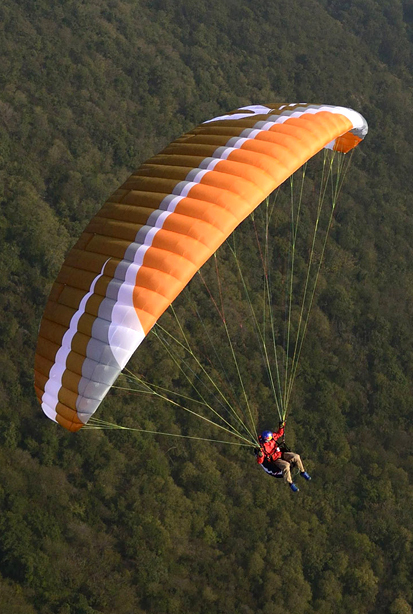
|
|||||||||||||||||||||||||||||||||||||||||||||||||||||||||||||||||||||||||||||||||||||||||||||||||||||||||||||||||||
Instability rating |
|||||||||||||||||||||||||||||||||||||||||||||||||||||||||||||||||||||||||||||||||||||||||||||||||||||||||||||||||||
|
|||||||||||||||||||||||||||||||||||||||||||||||||||||||||||||||||||||||||||||||||||||||||||||||||||||||||||||||||||
Glider characteristics |
|||||||||||||||||||||||||||||||||||||||||||||||||||||||||||||||||||||||||||||||||||||||||||||||||||||||||||||||||||
|
Launch preparations: easy
launch characteristics: balanced, climbs constantly, no guidance necessary, good feedback during inflation, little braking required, slows before zenith, control check simple, low takeoff speed
asymmetric collapse: canopy collapses at low angle to leading edge, en: EinklapperDynamikGering, total course change 90-180°, (1), moderate course change rate, moderate forward pitching 45-60°, (2), moderate height loss 30-39 m, (2), moderate sink velocity 15-19 m/s, (2), G-Force < 2,5 G, (1)
Frontal collapse: canopy collapses with low total collapse area, marked pitch backwards 45-60°, marked pitch forwards 45-60°, moderate dynamics, course change <90°, (2), immediate automatic recovery, usually symmetric recovery, immediate return to normal airspeed, moderate height loss 30-39 m, (2), moderate sink velocity 15-19 m/s, (2)
Spiral dives: moderate sink velocity increase, Moderate G-Force 3,5- 4.0 G, (2), Sink velocity after 720° <14 m/s, (1), Moderate maximum sink velocity < 18 m/s, (2), sink velocity increase < 6 m/s on brake release, (2), Course change 90-180° after spiral exit, (1), low height loss during recovery < 30 m, (1)
B-Stall: normal force required, moderate pitch backwards 15-30°, moderate pitch forwards 15-30°, stable sink phase, no tendency to deform, immediate return to normal airspeed, 6-8 m/s, height loss on recovery < 20 m
big ears: simple initiation, stable flight phase, immediate automatic recovery, Vsink unaccelerated 2,5-3 m/s, Vsink accelerated 3-3,5 m/s, Vunaccelerated 3-5 km/h less than trimspeed, Vaccelerated 3-5 km/h faster than trimspeed
Steering behaviour: dampened to balanced, 75 cm brake travel range, very noticable brake pressure increasse, Late stall point, easily identifiable |
|||||||||||||||||||||||||||||||||||||||||||||||||||||||||||||||||||||||||||||||||||||||||||||||||||||||||||||||||||
Notes |
|||||||||||||||||||||||||||||||||||||||||||||||||||||||||||||||||||||||||||||||||||||||||||||||||||||||||||||||||||
|
Launch preparations: Launch preparations are particulary exemplary on Skywalk's Mescal 4. The soft lines are easy to sort, the risers have good clear colour markings and the brake handles can be adjusted in size. Launch characteristic: Skywalk's Mescal has well balanced launch characteristics. The glider climbs evenly with good internal pressure after a small impulse and needs only minimal brake input to stabilise at the zenith. Asymmetric Collapse: The only LTF-A glider in this test demonstrated good conformity to this class. Trimspeed collapses were accompanied with course changes of around 90° and height losses of 30 meters or less. Fully accelerated collapses at the top end of the 70% collapse field were often very similar. The largest course change was just under 180° with a height loss of less than 40 meters. Front collapses: 100% front collapses were not possible with the Skywalk Mescal 4, the maximum we could achieve was about 60%. Recovery is fast and the glider quickly returns to normal flight. Of the five gliders tested here, the Mescal has (as to be expected for an A class glider) the best recovery characteristics. Spiral Dive: Spiralling is easy with Skywalk's Mescal 4. Initiating is straightforward, G-forces and sink velocities do not increase unexpectedly in the spiral phase and exiting occurs immidiately once the inner brake is released. B-Stall: No problems with B-stalls, and this manoeuvre can be recommended for rapid descents if required. Big Ears: Very easy. |
|||||||||||||||||||||||||||||||||||||||||||||||||||||||||||||||||||||||||||||||||||||||||||||||||||||||||||||||||||
Rating |
|||||||||||||||||||||||||||||||||||||||||||||||||||||||||||||||||||||||||||||||||||||||||||||||||||||||||||||||||||
|
Safety class 2 This class of paraglider react mildly to all of the following manoeuvres: frontal collapse, asymmetric collapse or spiral dive.Mildly means that the above manoeuvres result in moderately dynamic reactions from the glider and/or moderate height losses. Pilots who have learned and are able to correctly apply basic recovery training techniques should be able to maintain glider control and minimise height loss in the event of one of the above manoeuvres. Generally, subsequent critical glider reactions requiring immediate and precise pilot input are not to be expected from gliders of this class. The safe use of a glider in this class requires skills learnt in standard basic training. Emergency descent methods may be performed with standard techniques and do not require special skills. As on occasion, all gliders may react more dynamically to a disturbance than expected, additional training such as regular ground handling or SIV training is recommended. |
|||||||||||||||||||||||||||||||||||||||||||||||||||||||||||||||||||||||||||||||||||||||||||||||||||||||||||||||||||
